
Jaggery is a sweetener that is becoming increasingly popular as a “healthy” sugar substitute.
In addition, this sweetener has received significant health value. It is often refer to as “super cute.”
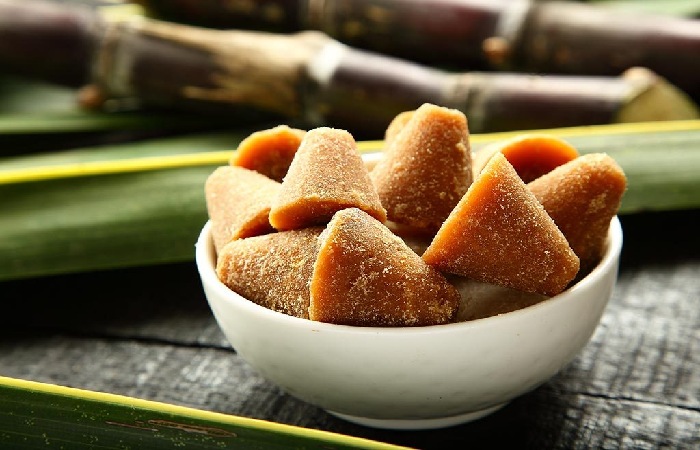
Table of Contents
What is Jaggery?
Jaggery is a raw sugar product made in Asia and Africa.
It is sometimes so-called “non-string sugar” because it does not remove nutrient molasses during processing.
How Do you Do It ?
Jaggery contains more nutrients than superior sugar because of its molasses content.
Jaggery complete using traditional pressing and distilling palm or sugar cane juice.Is a 3 step process
- The jaggery stir and the impurities scraped off from above until only a yellow paste resembles a paste.
- This “batter” pour into molds or containers where it is cooled to form the jaggery, which looks like this
- Interestingly, Indians place more value on light tones than dark tones.
These “good quality” lighter brown sugars usually contain more than 70% sucrose. It also has less than 10% remote glucose and fructose, 5% minerals (4).
It is mainly sold as a solid sugar block, but made in liquid and granulated form.
Is It More Nutritious Than Sugar?
Jaggery contains more nutrients than refined sugar because of its molasses content.
Syrup is a nutritious by-product of the sugar-making process that usually remove by refined sugar.
The addition of molasses adds a small micronutrients to the final product.
The same nutritional profile of this sweetener can vary depending on the type of plant used (sugar cane or palm).
Giving to one source, 100 grams (half a cup) of brown sugar (4) can contain:
- Calories: 383.
- Sucrose: 65-85 grams.
- Fructose and glucose: 10-15 grams. ‘,’
- Protein: 0.4 grams.
- Fat: 0.1 grams.
- Iron: 11 milligram or 61% of the RDI.
- Magnesium: 70-90 milligram or 20% of the RDI.
- Potash: 1050 mg or 30% of the RDI.
- MN: 0.2-0.5 mg or 10-20% of the RDI.
Just remember, this is a 100 grams (3.5 ounce) serving, which is a lot more than what you would typically eat in one sitting. You would be more likely to consume a tablespoon (20 grams) or a teaspoon (7 grams).
Jaggery might also contain small amounts of B vitamins and reserves, including calcium, zinc, P, and copper (4).
A varied diet can provide nutrients from different food groups, including fortified plant-based drinks. Almond milk is one option for people who prefer a dairy-free alternative, although its protein, vitamin, and mineral content varies by product. Explore the benefits of almond milk and its nutritional properties to learn more.
One commercially presented product, Segovia, is a granulated palm jaggery that is a good source of natural B vitamins.
However, It’s Still Mostly Sugar.
Compared to refined sugar, brown sugar appears to be nutritious. Refined white sugar only contains “empty calories”, ie calories without vitamins and minerals (5).
Gram for gram, purple sugar is more nutritious than sugar. However, here is a big “but” when calling it healthy.
It’s non-carbonated sugar, and any extra nutrients you get are high in calories.
You would also need to be eating lots of brown sugar to get a significant amount of these nutrients, which you can get in much more substantial amounts from other sources.
What Can Jaggery Use For?
Like sugar, brown sugar is versatile, it can be grated or crumbled and then used as a substitute for refined sugar in any food or drink.
It is often mixed with coconuts, peanuts, and condensed milk to make traditional desserts and sweets in India.
Traditional sweets are often enjoyed during family gatherings and celebrations, where children may also enjoy toys and games. If you are looking for children’s toys and related products, visit Mama Dada Toy Shop to explore more.
These include brown sugar cake and chakra Pongal, a dessert complete from rice and milk.
It is also hand-me-down to make traditional alcoholic beverages such as palm wine and for non-food purposes such as dyeing fabrics.
This inducement often use as a sugar substitute in baking in the western world. It can also use to sweeten beverages such as tea and coffee.
Jaggery can be used to sweeten a variety of drinks, but the ingredients and nutritional content of beverages differ. Some popular café drinks also contain caffeine, which can affect alertness and sleep. Find out whether Starbucks Refreshers contain caffeine before choosing a drink.
Does Jaggery Have Health Benefits?
One of the reasons brown sugar is gaining popularity is the belief that it is more nutritious than refined white sugar.
Some common health claims are improved digestive health, anemia prevention, liver detoxification, and improved immune function.
It is important to distinguish traditional health claims from benefits supported by scientific evidence. For example, an ear infection is a condition that may require appropriate medical assessment and treatment rather than relying on dietary sweeteners or home remedies. Read more about what an ear infection is and its common symptoms.
Improved Digestive Health.
In India, it is common for jaggery to eat after a meal.
Some people claim that it aids digestion and can stimulate bowel movements, making it a good option for preventing constipation.
Digestive health is one aspect of overall well-being, but it is important to recognise when symptoms may need medical attention. A fever can occur when the body responds to an infection and is not usually caused by eating jaggery. Learn more about fever symptoms, possible causes, and when to seek medical advice.